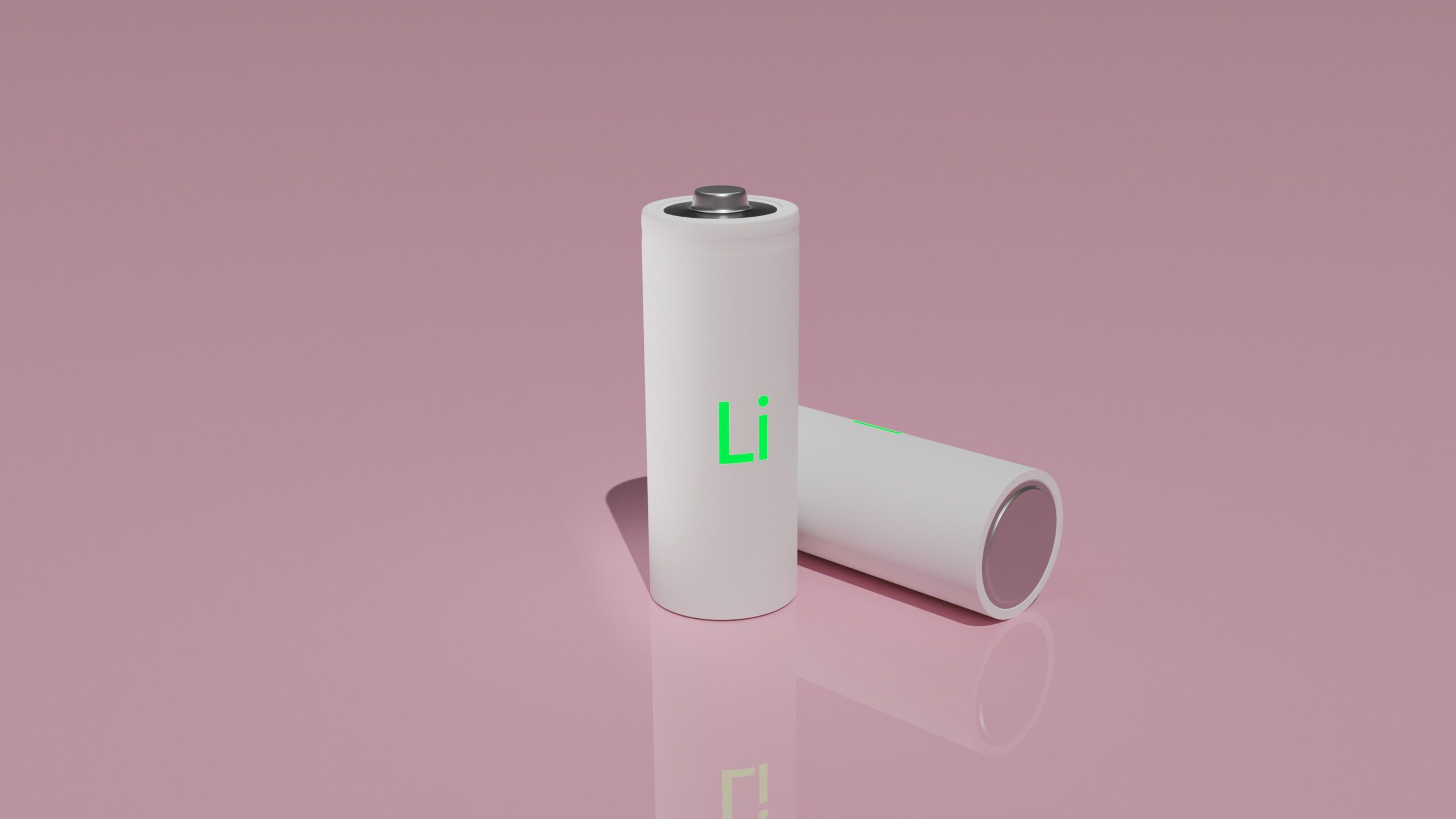
A recent report highlighted a massive lithium discovery in the Appalachian region—estimated to be worth roughly $65 billion and capable of supplying U.S. lithium demand for up to 328 years at current import levels. This is more than just a headline-grabbing geological find—it has real implications for industries that rely heavily on battery technology, including sectors served by Currie Management Consultants, Inc.
At its core, lithium is the backbone of lithium-ion batteries—the dominant technology powering everything from electric vehicles to material handling equipment and backup power systems. A domestic supply of this scale could fundamentally reshape the economics and supply chains of battery-dependent industries.
Why This Matters to Currie Clients
Currie works closely with businesses in equipment-intensive industries—particularly those tied to forklifts, industrial equipment, and power systems. These sectors are already in the midst of a major transition from traditional lead-acid batteries to lithium-ion solutions due to benefits like faster charging, longer lifespan, and reduced maintenance.
This lithium discovery could accelerate that transition in several key ways:
1. Reduced Cost Volatility
Battery pricing has historically been tied to global supply chains, with significant dependence on foreign lithium sources. The U.S. currently imports about half of its lithium needs. A strong domestic supply could stabilize pricing, making lithium-ion systems more predictable—and more attractive—for fleet operators and equipment dealers.
2. Supply Chain Resilience
For forklift fleets and generator systems that depend on uptime, battery availability is critical. Domestic lithium production could reduce exposure to geopolitical risks and delays, ensuring more consistent access to battery inventory and replacement parts.
3. Increased Adoption in Material Handling
Forklift operations—especially in warehousing and logistics—are prime candidates for lithium-ion conversion. As costs come down and supply improves, businesses may accelerate fleet electrification, creating opportunities (and competitive pressure) for dealers and service providers.
4. Growth in Energy Storage & Generator Integration
Lithium-ion batteries are also increasingly used alongside generators and grid systems for backup and load balancing. With more accessible lithium, hybrid energy systems (battery + generator) could become standard in industrial and commercial applications.
Strategic Takeaway
Discoveries like this don’t just impact mining—they ripple through the entire value chain. For companies working with Currie Management Consultants, the key question isn’t if lithium will reshape the market, but how quickly.
Dealers, distributors, and service providers in the forklift and generator industries should start thinking now about:
- Expanding lithium-ion product offerings
- Training technicians on new battery systems
- Adjusting pricing and inventory strategies
- Preparing for increased customer demand for electrified solutions
At Currie, staying ahead of these shifts is exactly the point. Market disruptions like this one create both risk and opportunity—and the businesses that adapt early will be the ones that lead.