
The Power of Currie
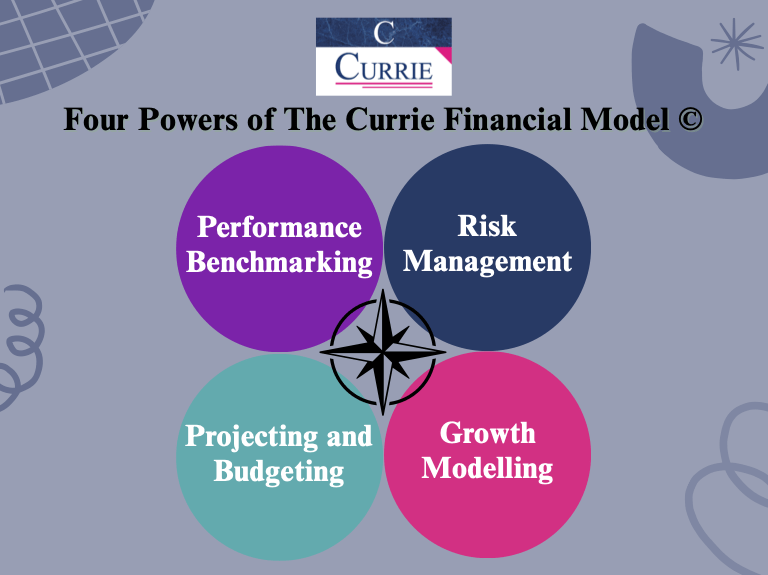
Performance Benchmarking: Your baseline for success!
What is performance benchmarking?
At its core, performance benchmarking involves comparing your company’s results to industry standards or peer groups. It helps you identify areas where you’re excelling and pinpoint opportunities for improvement.
How to maximize benchmarking with the Currie model:
• Analyze Results Regularly: Use the model to review monthly, quarterly, or annual performance metrics.
• Identify Gaps: Spot where your performance lags behind competitors or industry averages.
• Set Actionable Goals: Use insights from benchmarking to set realistic targets for sales, profit margins, or operational efficiency.
Why it’s essential:
Effective benchmarking provides clarity. It helps you understand whether your strategies are working or if adjustments are necessary. Without it, you’re navigating blindly.
Pro Tip: Incorporate benchmarking into your routine meetings to keep your team aligned and focused on continuous improvement.
Risk Management: Proactively Securing Your Business
Understanding financial risk assessment
Many business owners overlook the importance of proactively assessing risk. The Currie model enables you to evaluate your company’s financial vulnerabilities—such as liquidity crunches, debt exposure, or profit volatility.
Using the model for risk assessment:
• Prioritize Risk Factors: The model can help you assign ratings to various risk elements based on their potential impact.
• Simulate Scenarios: Project how different risks could affect your financial health under various market conditions.
• Develop Contingency Plans: Use these insights to create strategies that mitigate identified risks—like diversifying revenue streams or adjusting debt levels.
Why it matters:
Early identification of financial risks allows you to take corrective action before issues escalate. This proactive approach preserves your company’s stability and gives you confidence to pursue growth opportunities.
Example: Using the Currie model, a dealer might identify that over-reliance on a single sales channel poses a risk, leading to diversification strategies.
Growth Modelling: Planning Your Next Big Leap
The underutilized potential
While many leverage the Currie model for performance tracking, its growth modelling capabilities remain underused. This function allows you to forecast future revenue and plan strategic expansions.
How to use growth modelling effectively:
• Set Clear Targets: Define where you want your business to be in 3, 5, or 10 years—say, from $150 million to $200 million.
• Simulate Scenarios: Test different growth rates, market share increases, or investment options.
• Align Resources: Use projections to determine staffing, inventory, and capital needs.
Why it’s a powerful tool:
Growth modelling transforms ambitious goals into actionable plans. It reduces guesswork and helps you allocate resources efficiently, minimizing wasted effort and maximizing ROI.
Real-world tip: Regularly update your growth projections as market conditions change to stay aligned with realistic targets.
Budgeting and Forecasting: Project with Precision
The importance of accurate budgeting
Creating budgets isn’t just about historical expenses or simple percentage increases; it’s about making educated, market-informed projections.
How the Currie model enhances budgeting:
• Segmented Expense Projections: Allocate expenses based on anticipated revenue streams for each department.
• Market Share Analysis: Incorporate market opportunity insights to refine revenue forecasts.
• Dynamic Adjustments: Adjust estimates as market conditions evolve, ensuring your budgets remain realistic.
Why it’s crucial:
Proper budgeting aligned with actual market data helps maintain financial health, optimize cash flow, and support strategic decision-making. It prevents surprises and keeps your business on course.
Tip: Use the model’s projections to assess the impact of potential variables—like a 10% sales increase or economic downturn—so you’re prepared for different scenarios.
Frequently Asked Questions:
How can I improve my performance benchmarking with the Currie model?
By consistently analyzing key metrics, comparing them to industry averages, and setting targeted goals, you can identify specific areas for improvement and track progress over time.
What are some common risks the Currie model can help identify?
By consistently analyzing key metrics, comparing them to industry averages, and setting targeted goals, you can identify specific areas for improvement and track progress over time.
How does growth modelling differ from basic projections?
By consistently analyzing key metrics, comparing them to industry averages, and setting targeted goals, you can identify specific areas for improvement and track progress over time.
Can the Currie model assist with developing contingency plans?
Absolutely. The risk assessment and scenario analysis features enable you to anticipate potential issues and prepare contingency strategies accordingly.
Time to unlock your business's full potential
The Currie Financial Model isn’t just a performance measurement tool—it’s a comprehensive framework for strategic growth and risk management. By fully utilizing its capabilities in benchmarking, risk assessment, growth planning, and budgeting, you set your business up for sustained success.
Next step: Review your current use of the Currie model. Are you leveraging all four key powers? If not, invest time in exploring these areas to unlock hidden value.
For deeper insights, consider consulting with Robin, or attending The Currie Financial Model course on advanced model usage. The more adept you become, the better your decision-making and overall business health.
Unlocking the full potential of the Currie Financial Model can transform your approach to business management—from reactive to proactive, from guesswork to strategic planning. Start harnessing its power today!